Executive Summary
- Many substation packages fail in procurement because the specification is still a concept note rather than a coordinated technical basis.
- Tender readiness begins when primary equipment, protection and control, civil interfaces, earthing, auxiliary systems, testing scope and documentation requirements are aligned into one coherent specification package.
- A good specification is not a long text alone; it is a controlled package of requirements, limits, interfaces, performance expectations and deliverables that allows suppliers to price and design on comparable assumptions.
- The engineering objective is to reduce ambiguity, protect lifecycle quality and create a robust bridge from concept design into procurement and execution.
Key Figures
Specification Modules10
Supplier InterfacesPrimary · Secondary · Civil · Commissioning
Tender DeliverablesSLD · Layout · Protection Basis · Datasheets
Review FocusCompleteness · Coordination · Testability
Technical Figure
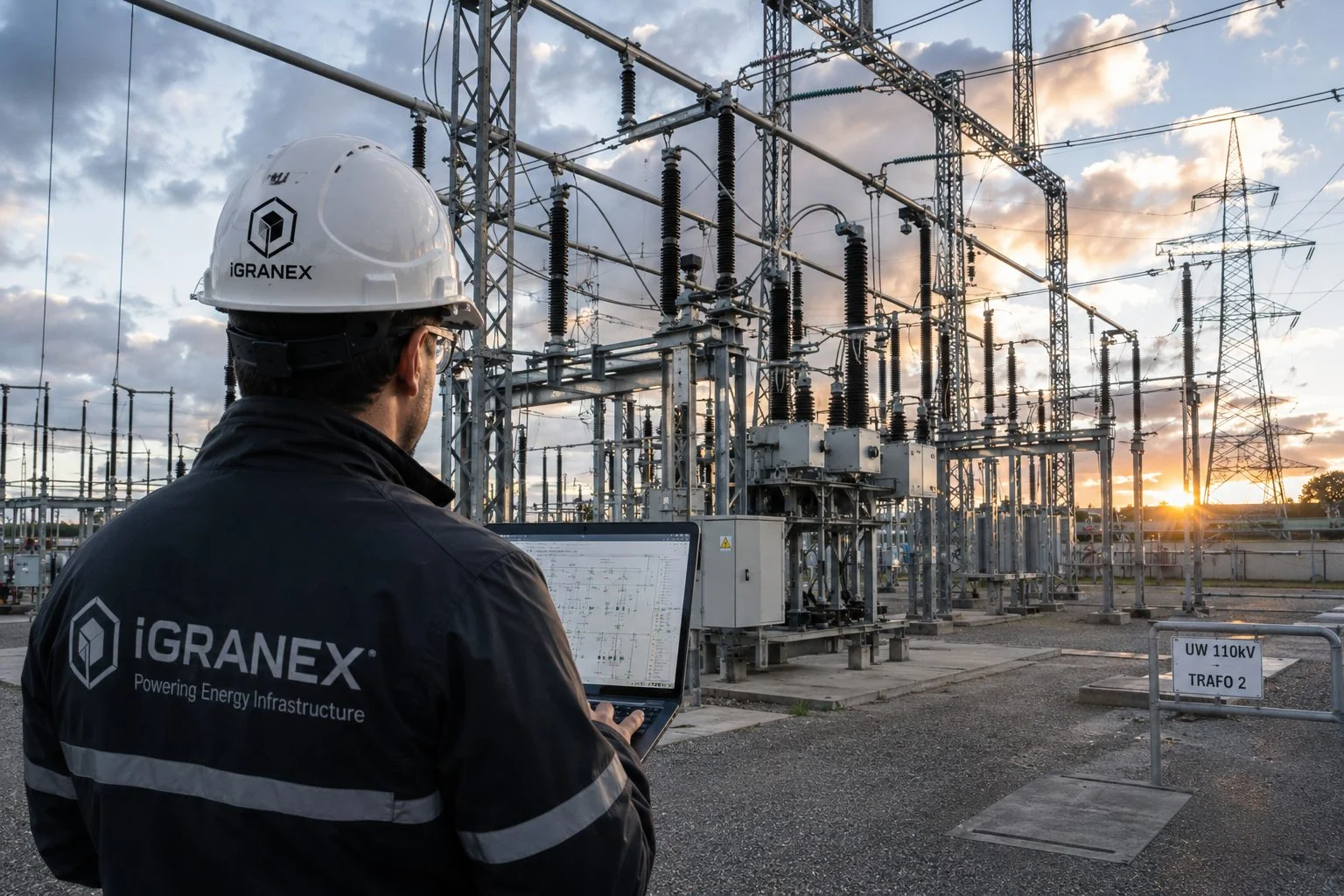 Figure 1. Tender-ready substations require a coordinated basis between equipment arrangement, HV interfaces, control and protection architecture, and implementation constraints.
Technical Discussion
What makes a specification tender-ready
A tender-ready basis combines technical completeness with procurement usability. This means clear scope boundaries, defined ratings and performance data, environmental conditions, required standards, testing expectations, documentation structure and acceptance criteria.
Integrated specification logic
Primary design cannot be separated from secondary engineering and construction constraints. CT/VT accuracy classes influence protection, protection affects wiring and panels, panel design influences room layout, and layout influences cable routing, clearances and maintenance access. Tender quality depends on this coordination.
Typical content structure
A strong package usually includes design philosophy, single-line diagram, main parameters, equipment schedules, protection and automation scope, communication architecture, civil and building interfaces, installation constraints, FAT/SAT expectations, spare-parts logic and document requirements.
Procurement value
Where the technical basis is consistent, supplier bids become comparable. Deviations are easier to identify, lifecycle risk is reduced and award discussions focus on solution quality instead of clarification of missing scope.
Figure Captions
References / Standards
IEC 62271 series — High-voltage switchgear and controlgear
IEC 60076 series — Power transformers
IEC 61850 series — Communication networks and systems for power utility automation
IEC 60255 series — Measuring relays and protection equipment
IEC 61936-1 — Power installations exceeding 1 kV AC and 1.5 kV DC
EN 50522 — Earthing of power installations exceeding 1 kV AC
Note: Project-specific utility, client and local regulatory requirements must always be added to the standards baseline.
Recommended iGRANEX Packages
iGRAGrid AssessmentReviews the concept basis, identifies specification gaps and checks readiness for procurement or utility coordination.
iGRASupply ExcellenceTransforms the engineering basis into procurement-ready package structure, supplier interfaces and technical bid criteria.
iGRAProject ControlSupports technical clarification, bid evaluation and coordination through award and execution.
The page is optimized for print and Save-as-PDF output for a whitepaper-style technical brief.